Our roadmap to zero-emission heavy-duty transport
We position cellcentric as the leading Tier 1 supplier of heavy-duty fuel cell systems. By scaling up high-volume series production, we enable OEM customers to meet strict regulatory targets and achieve climate-neutral transport by 2050.

Aligning with strict carbon reduction targets
European CO2 legislation demands rapid decarbonization of heavy-duty vehicle fleets. To support OEMs and fleet operators in this transition, we align our product roadmap directly with statutory milestones. The European Green Deal has set some of the most challenging CO2 targets for heavy-duty vehicles and buses/coaches in history. These goals can only be achieved by focusing on two complementary technologies to gradually replace diesel trucks: battery electric vehicles and fuel cell electric vehicles. Fuel cell technology offers the payload capacity, refueling speed and range required for long-haul logistics without compromising operational efficiency and TCO.

Why long-haul logistics require fuel cells, not batteries only
Heavy-duty long-haul transport requires long ranges and short refueling times to stay profitable. Battery-electric systems are well-suited to short and medium distances, but fuel cell systems provide the energy density a fully loaded 40-ton heavy-duty truck needs without sacrificing payload capacity.
Huge infrastructure investment will be needed for both technologies. Looking at the investment required and the number of megawatt chargers versus hydrogen refueling stations needed to match EU CO2 targets, the two technologies need different numbers to achieve high economies of scale.
The combination of both can and will make a huge difference for the heavy-duty sector. As proof of real-world capability, our BZA150 system covered 1,047 km on a single tank of liquid hydrogen during the #HydrogenRecordRun on public roads.

Achieving competitive total cost of ownership
Providing the fuel cell electric vehicle is not enough. The entire hydrogen automotive ecosystem must be synchronized during ramp-up. Achieving competitive Total Cost of Ownership (TCO) is the main driver for market demand, and it can only be achieved if the end-to-end value chain is cost-optimized, resulting in a competitive hydrogen price at the pump versus diesel. This includes hydrogen production, distribution and refueling station infrastructure working together. cellcentric is committed to the market ramp-up of the automotive hydrogen ecosystem at national and international level.

Scaling manufacturing for the mass market
Our strategy bridges the gap between successful field testing and large-scale industrialization. While our current-generation BZA150 system proves its capabilities on public roads, we are preparing for the next phase. Our production facility in Esslingen validates the entire manufacturing chain under one roof. By approximately 2030, we will transition to large-scale series production at the KLIMA|WERK in the greater Stuttgart region, building one of the largest fuel cell factories in Europe. This timeline directly supports commercial vehicle manufacturers in meeting tightening EU CO2 targets.
Securing long-term supply security
Industrialization is key to market adoption. By leveraging the combined mass-market production volumes of Daimler Truck and Volvo Group, cellcentric achieves unparalleled economies of scale. While our Esslingen plant currently ensures immediate delivery and component validation, upcoming large-scale series production at KLIMA|WERK will guarantee long-term supply security and highly competitive unit costs for vehicle and machine original equipment manufacturers (OEMs) globally.
How cellcentric meets European transport targets
What are the EU CO2 targets for heavy-duty vehicles?
The European Union has set binding targets to reduce CO2 emissions from heavy-duty vehicles compared to a 2019 baseline. The framework requires a 15% reduction by 2025, a 45% reduction by 2030, a 65% reduction by 2035 and a 90% reduction by 2040. Our development cycles and production ramp-up directly address these tightening mandates.
How does BZA375 support commercial vehicle strategy?
BZA375 delivers up to 375 kW of continuous net power and reduces fuel consumption by 20% compared to BZA150 generation. This optimization provides commercial fleet operators with best-in-class TCO while supporting conformity with upcoming Euro VII and carbon reduction mandates.
Why are two technologies - BEV and FCEV - needed to decarbonize heavy-duty long-haul transportation?
Battery-electric trucks are the best and most energy-efficient solution for predictable routes. However, for distances over 1,000 km, heavy payloads, or energy-intensive applications such as refrigerated transport, hydrogen can offer customers what they’re used to with diesel: range, fast refueling, and high flexibility. Furthermore, depending on the price of electricity - especially at public charging stations - the total cost of ownership (TCO) can be more favorable for customers with hydrogen as fuel.
Why does cellcentric focus on a single product instead of multiple fuel cell variants?
cellcentric fuel cell systems are designed with focus on best-in-class TCO for the heavy-duty truck application according to truck requirements and automotive standards. Additional heavy-duty applications are coaches, stationary power-gen equipment, rail and mining vehicles. Our one product strategy as Tier 1 supplier enables maximum economies of scale, potential for cost reduction and highest product quality.
Explore further
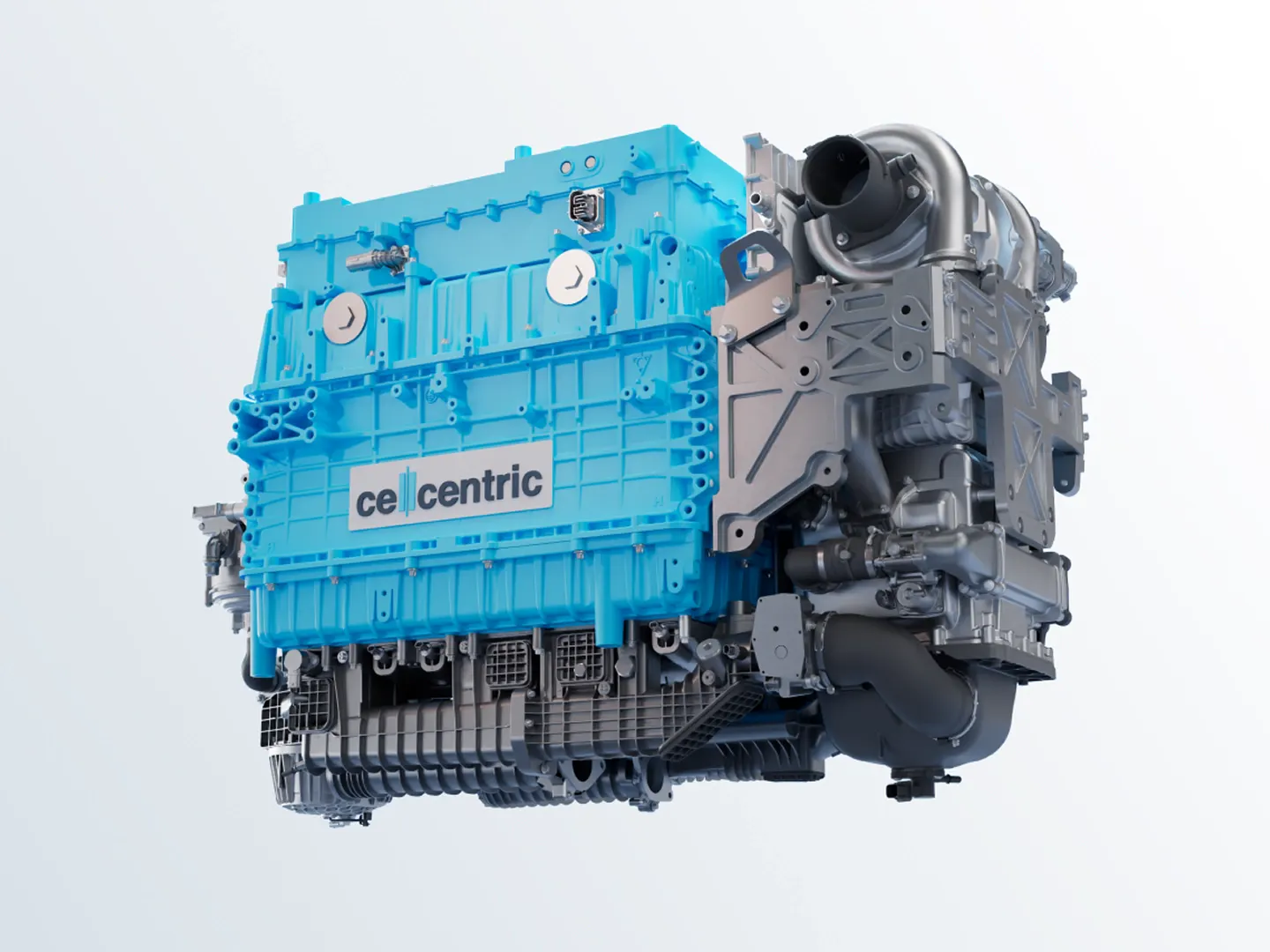
BZA375
Full technical specifications, dimensions, TCO data and FAQ for our next-generation heavy-duty fuel cell system.
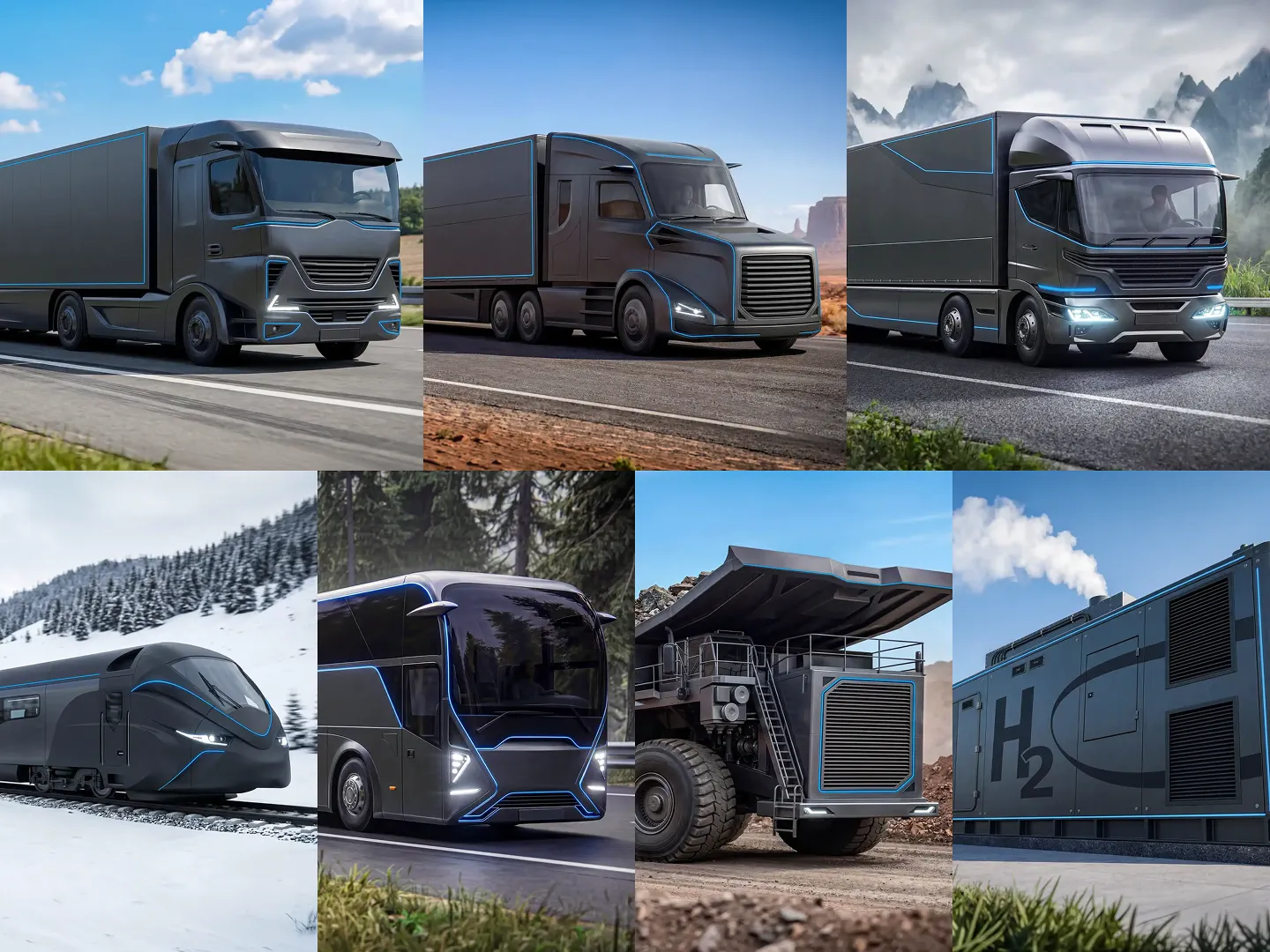
Built for heavy-duty
Designed for long-haul trucks, and well-suited for coaches, stationary power generation, rail and mining. One system, multiple applications.
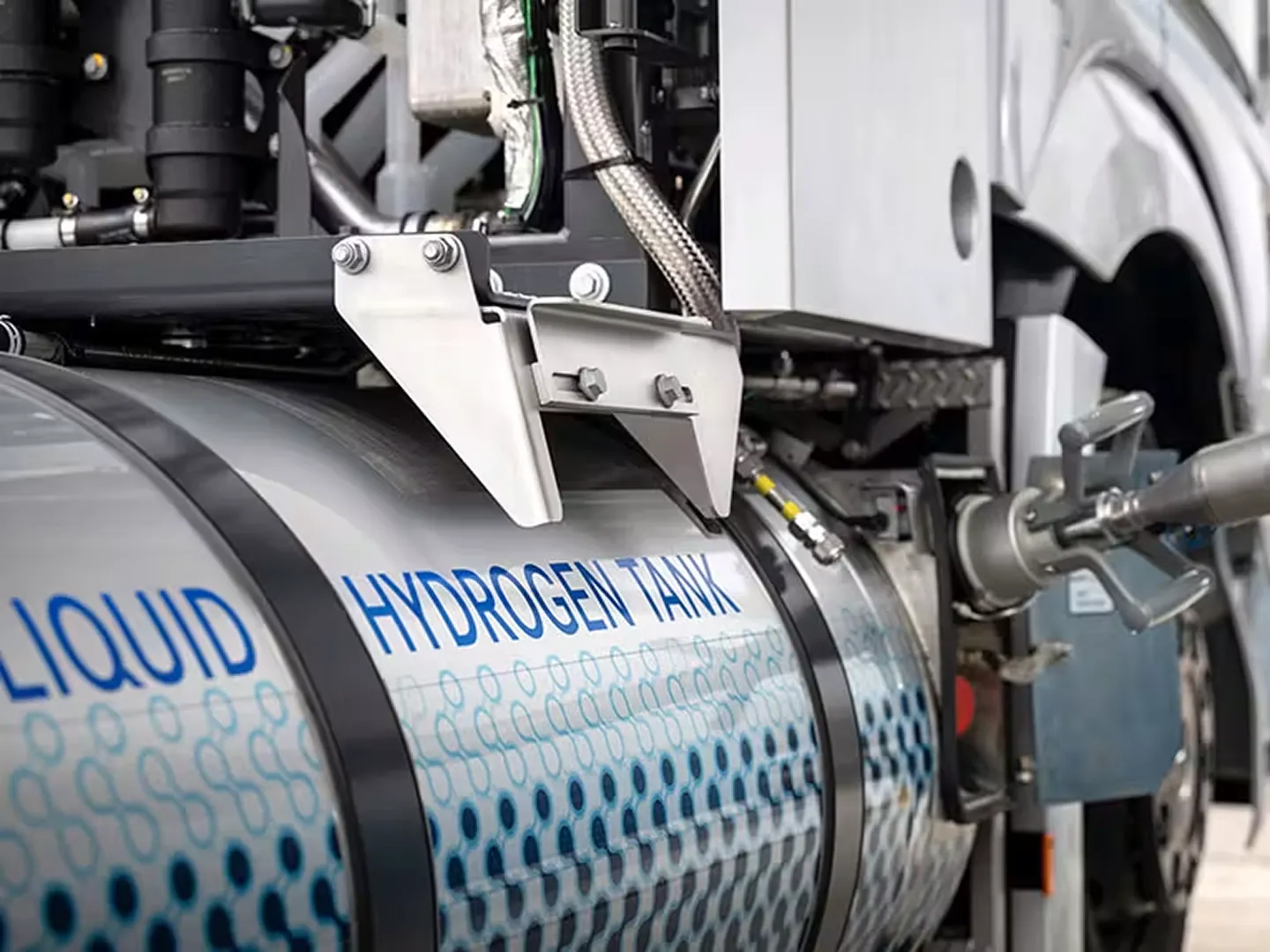
The infrastructure behind it
Efficient fuel cell systems need a functioning hydrogen ecosystem to reach their full potential. See how cellcentric contributes to building it.

Any other questions?
We are happy to help with general enquiries about cellcentric, our technology and our work.