The fuel for zero-emission heavy-duty mobility
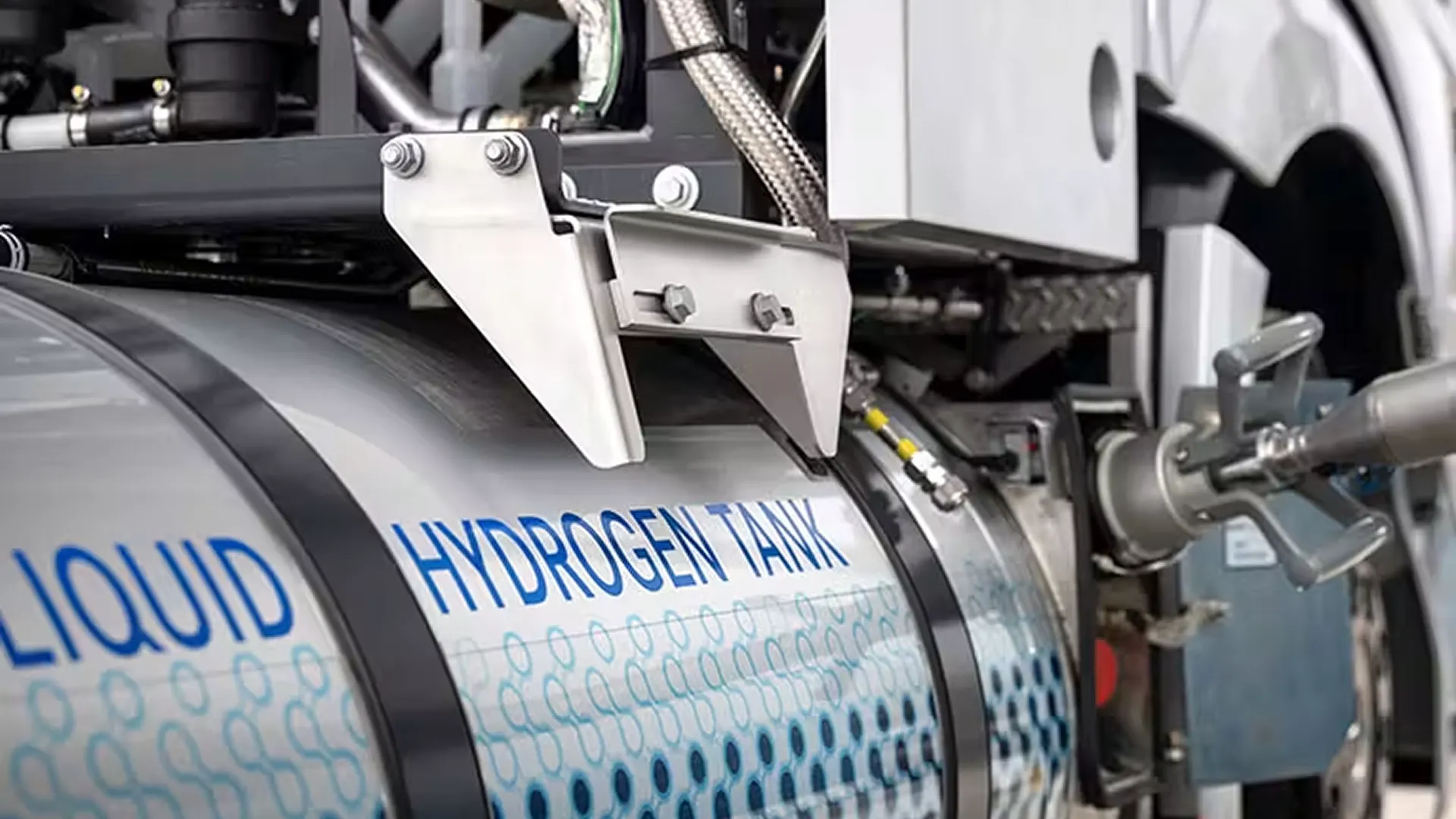
You must accept marketing cookies in order to play the video.
Why hydrogen has a huge potential for commercial vehicles
Hydrogen has the potential to shape the future of heavy-duty mobility. There are numerous and well-established technologies for producing this fuel. Hydrogen is one of the most abundant elements in the universe. The only limiting factor for its intensive use in transportation and industry is it’s technical availability today. But with the need for a more sustainable approach to mobility and energy in general, the importance and production of hydrogen is sure to increase in the coming years.

Combining the strengths of fuel cells and BEV for sustainable mobility
The European Green Deal has set ambitious CO₂ targets for heavy-duty vehicles and coaches. These can only be met by focusing on two complementary technologies that will gradually replace diesel trucks: battery electric vehicles (BEVs) and fuel cell electric vehicles (FCEVs). While BEV trucks are ideal for short and medium distances, fuel cell vehicles are ideal for long distances of 1,000 kilometers or more, comparable to today's diesel vehicles. Combining both technologies will make a huge difference for the heavy-duty sector.
The biggest challenge is currently the hydrogen ecosystem
Simply providing fuel cell electric vehicles is not enough. The entire hydrogen automotive ecosystem must be synchronized during the ramp-up period. Achieving a competitive total cost of ownership (TCO) is key, and this can only be achieved if the entire value chain is cost-optimized, resulting in a competitive hydrogen price at the pump compared to diesel. This includes hydrogen production, distribution and refueling station infrastructure.

What makes hydrogen and fuel cells shine for commercial vehicles
Decarbonization
There is no single decarbonization solution. The combination of battery electric vehicles and fuel cell trucks will help to effectively decarbonize the commercial vehicle segment.
Heavy-duty long-haul transport
Long-haul trucks and other heavy-duty applications are an important segment of commercial vehicles. The requirements for a new technology are high. cellcentric fuel cell systems offer the best range and power to meet them.
Availability
Hydrogen can play an important role in the global energy transition by becoming available on a large scale and decreasing in price.
Requirements and predictions for fuel cell and BEV in the next years
The future of mobility shows a clear shift towards sustainable alternatives and a reduction in fossil fuels. Hydrogen is playing an increasingly important role in this transition, with growing investment in production and infrastructure around the world. Increased production will help make hydrogen more affordable and available in the coming years. The signs are also promising for the growth of hydrogen refueling infrastructure.
Explore further
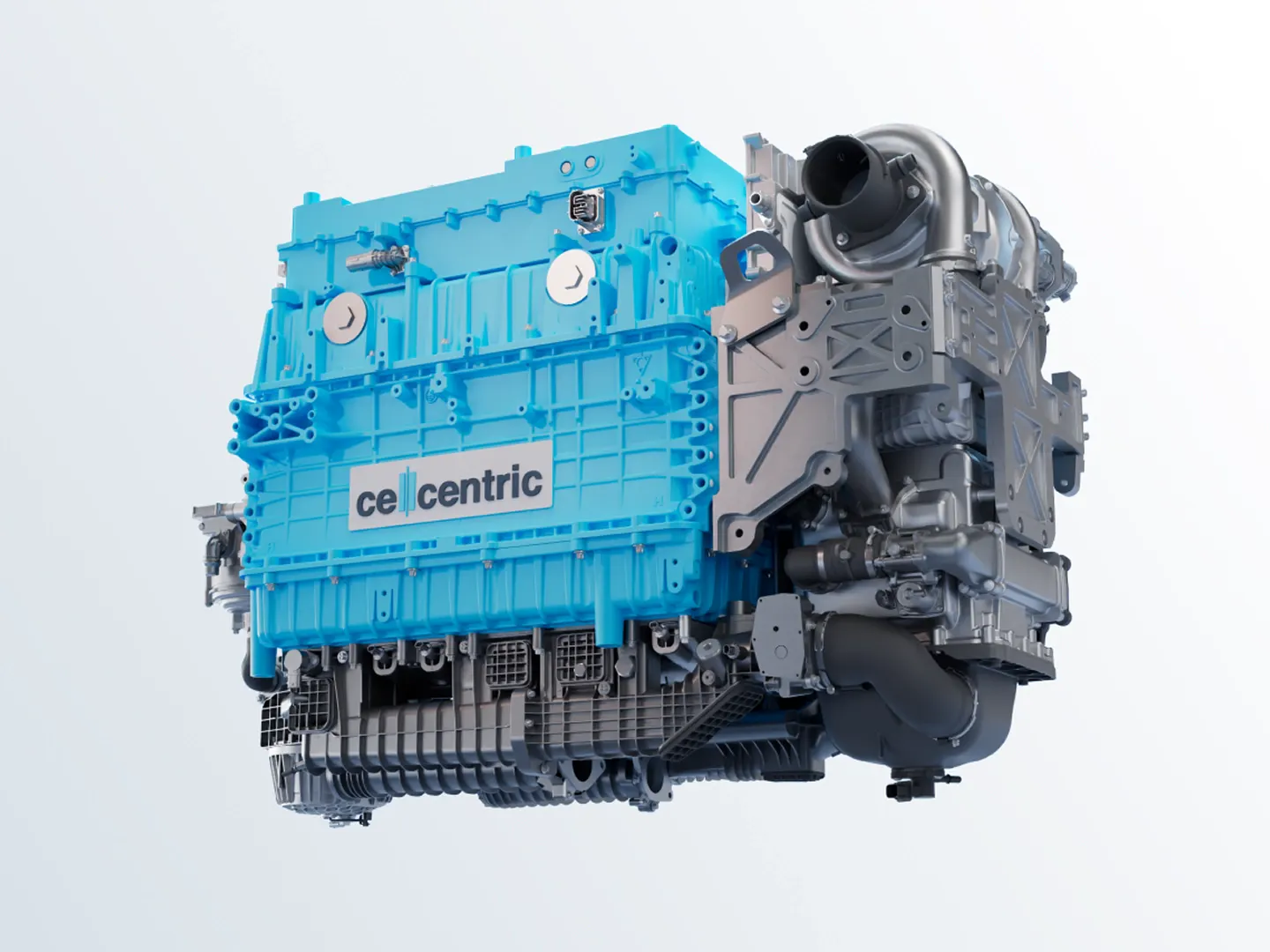
BZA375
Full technical specifications, dimensions, TCO data and FAQ for our next-generation heavy-duty fuel cell system.
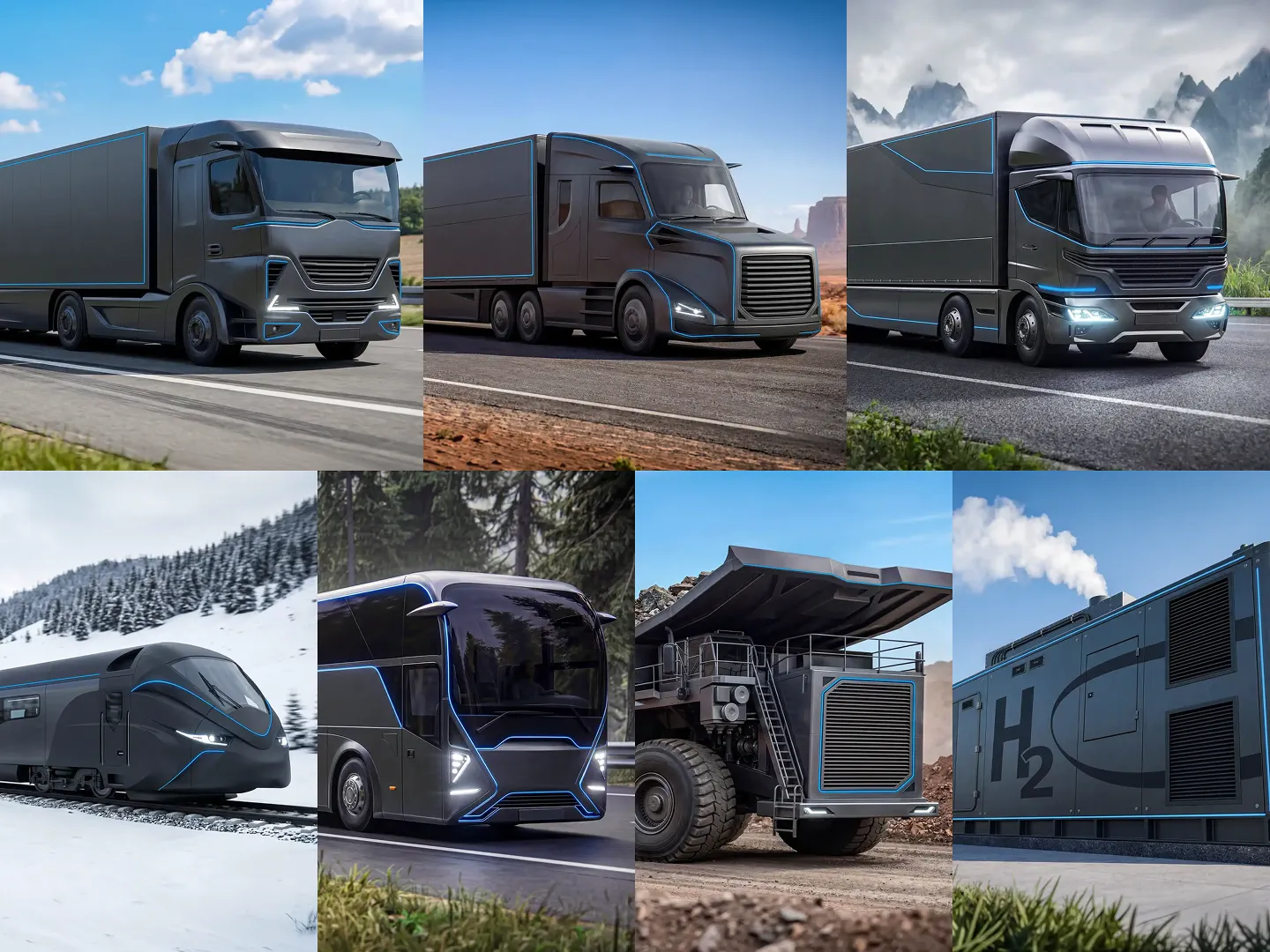
Built for heavy-duty
Designed for long-haul trucks, and well-suited for coaches, stationary power generation, rail and mining. One product, multiple applications.
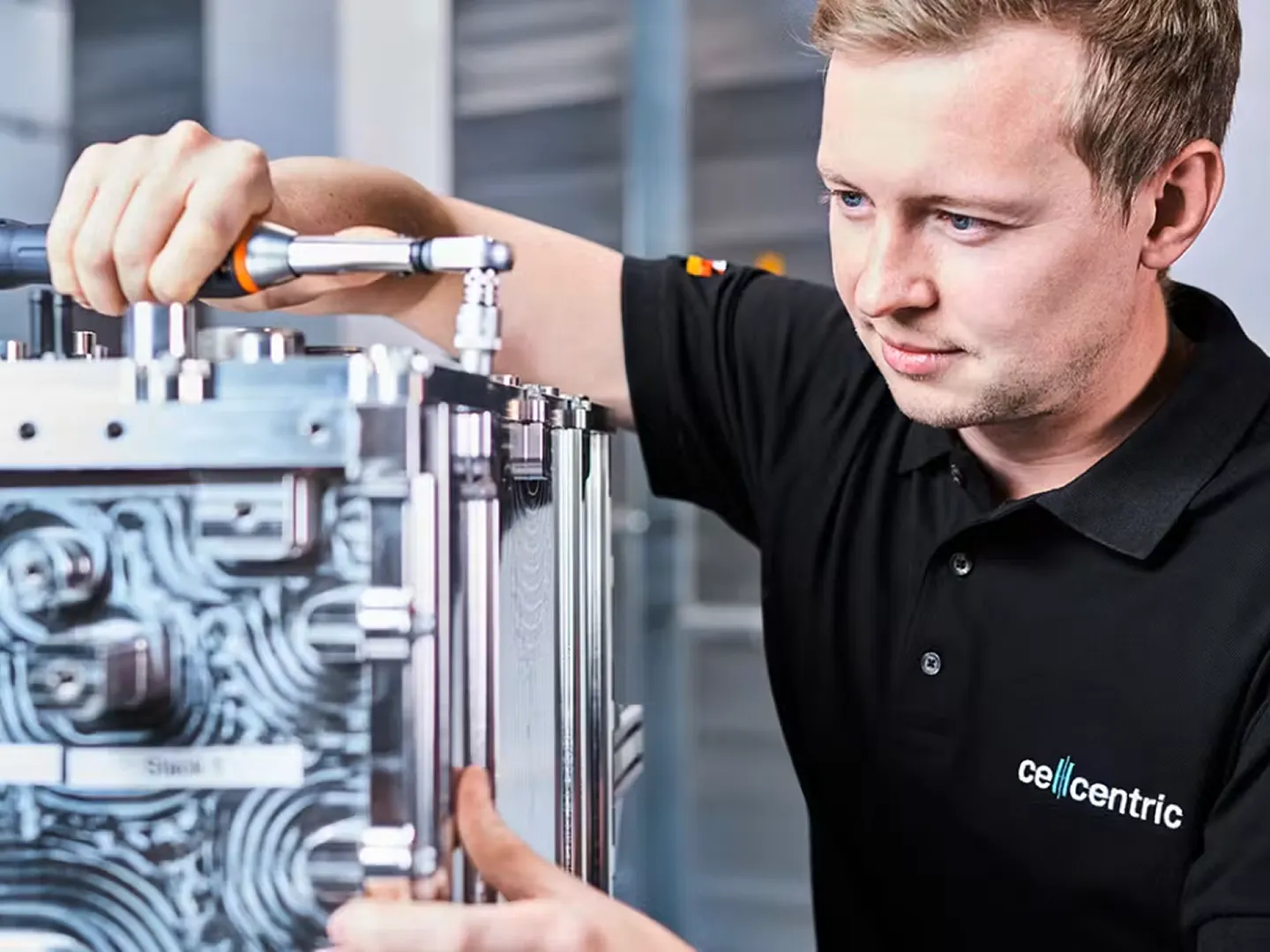
The engineering behind it
Understand what makes BZA375 perform. Stack architecture, key components and the engineering decisions that deliver best-in-class efficiency and power density.

Want to learn more about hydrogen and fuel cells?
We are happy to help with enquiries about hydrogen technology, out fuel cell systems and our role in the hydrogen ecosystem.