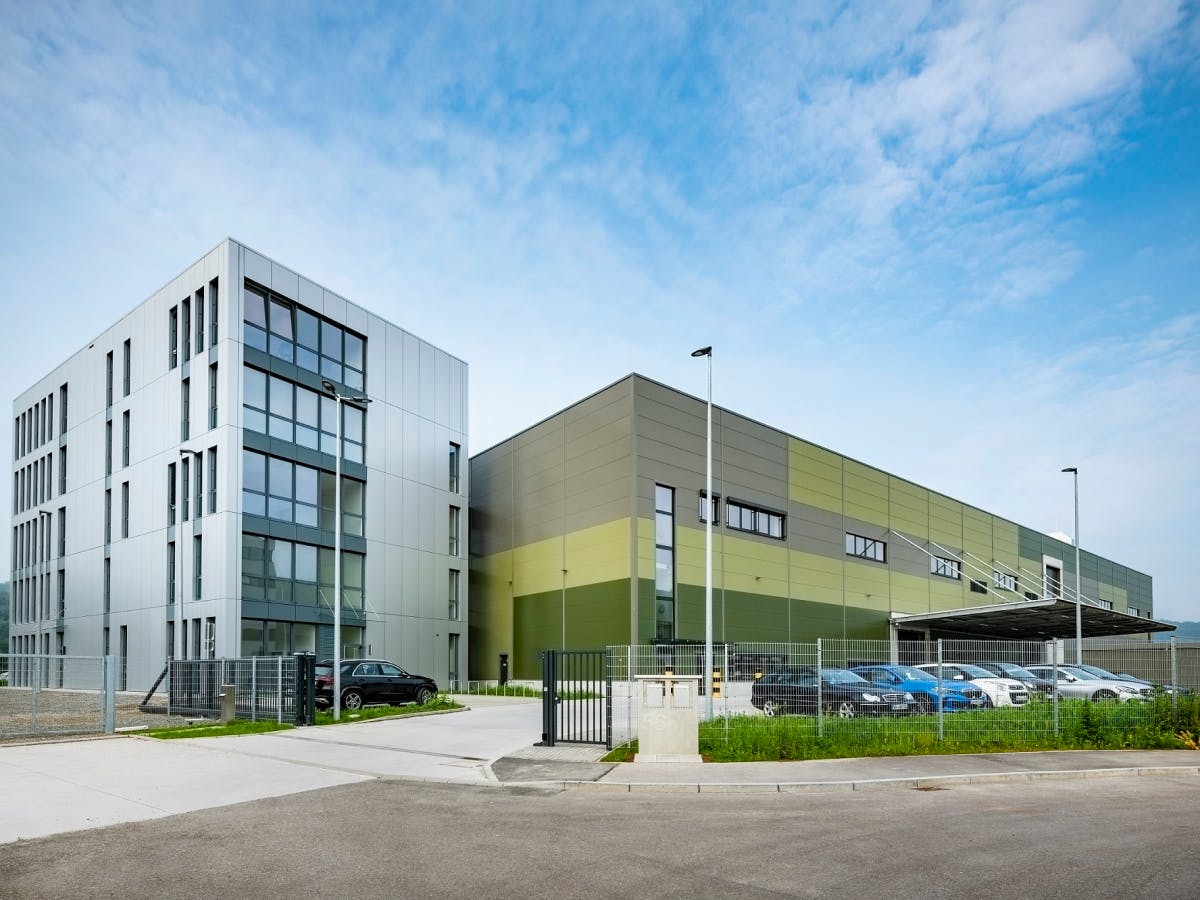
Esslingen-Pliensauvorstadt
Production facility. Complete BZA150 and BZA375 manufacturing chain under one roof, including CCM production and stack assembly.
cellcentric is bridging the gap between advanced engineering and large-scale series manufacturing. Across our industrial locations, we develop and scale the precise production processes needed to supply the commercial vehicle sector with high-performance fuel cell systems.

At cellcentric, independence means full engineering and operational control. At our production facility in Esslingen, we manage the complete manufacturing sequence under one roof for both BZA150 and next-generation BZA375. This operational footprint includes our own Catalyst Coated Membrane (CCM) production and comprehensive fuel cell stack assembly.
By controlling every stage of the process locally, we rapidly validate advanced manufacturing technologies and ensure our processes strictly comply with premium automotive quality standards, enabling rapid iteration cycles and global OEM architecture scaling. This facility directly incorporates the high-volume automotive-grade production expertise of our two parent companies, Daimler Truck and Volvo Group.

All production steps under one roof
BZA150, the predecessor system to BZA375, is still used in the Mercedes-Benz GenH2, NextGenH2 and Volvo fuel cell electric truck models.
We produce BZA375 at our Esslingen facility, validating the manufacturing chain for future series volumes.
Complete in-house development and production of components, stack and system, from CCM coating to final assembly, under one roof.

The transition to climate-neutral long-haul transport requires unprecedented industrial scale. We are planning large-scale series production at our KLIMA|WERK site in the greater Stuttgart region. We target a production start around 2030 in strict alignment with EU CO₂ legislation.
The facility will deliver the high-volume output required by global commercial vehicle brands to decarbonize heavy-duty transport, and is planned to be one of the largest and most innovative fuel cell factories in Europe. For cellcentric, maximum flexibility in terms of scope of work and start-up speed is of crucial importance.
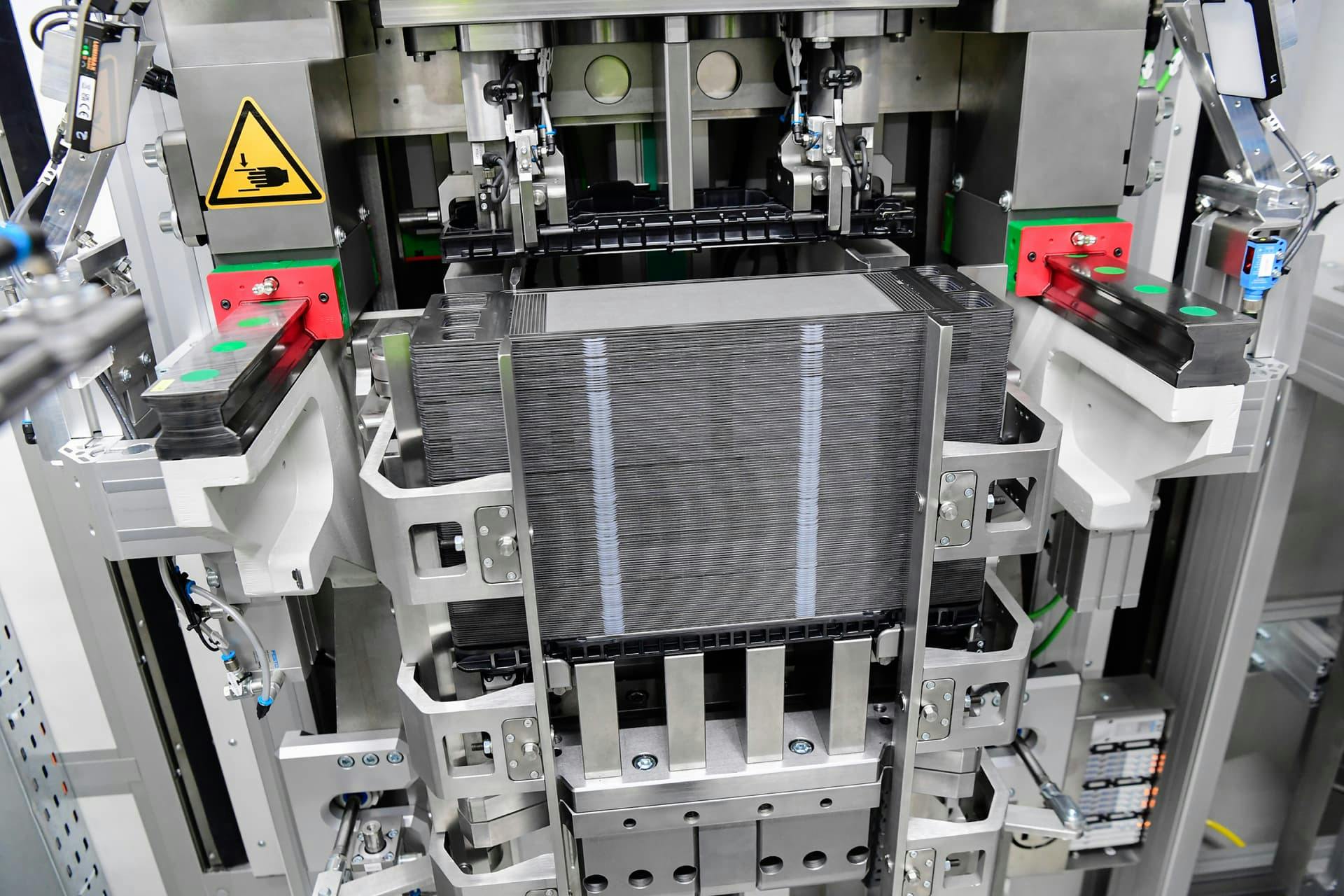
The best product is irrelevant if it cannot be manufactured in high volume and high quality. With state-of-the-art automation and a high degree of vertical integration, our production approach helps us take the first steps towards mass-market volumes according to automotive standards. Scaling production drives down unit costs, improves quality consistency and enables competitive Total Cost of Ownership for fleet operators. This is not just a manufacturing story. It is the foundation of the commercial case for hydrogen in heavy-duty transport.
Production facility. Complete BZA150 and BZA375 manufacturing chain under one roof, including CCM production and stack assembly.
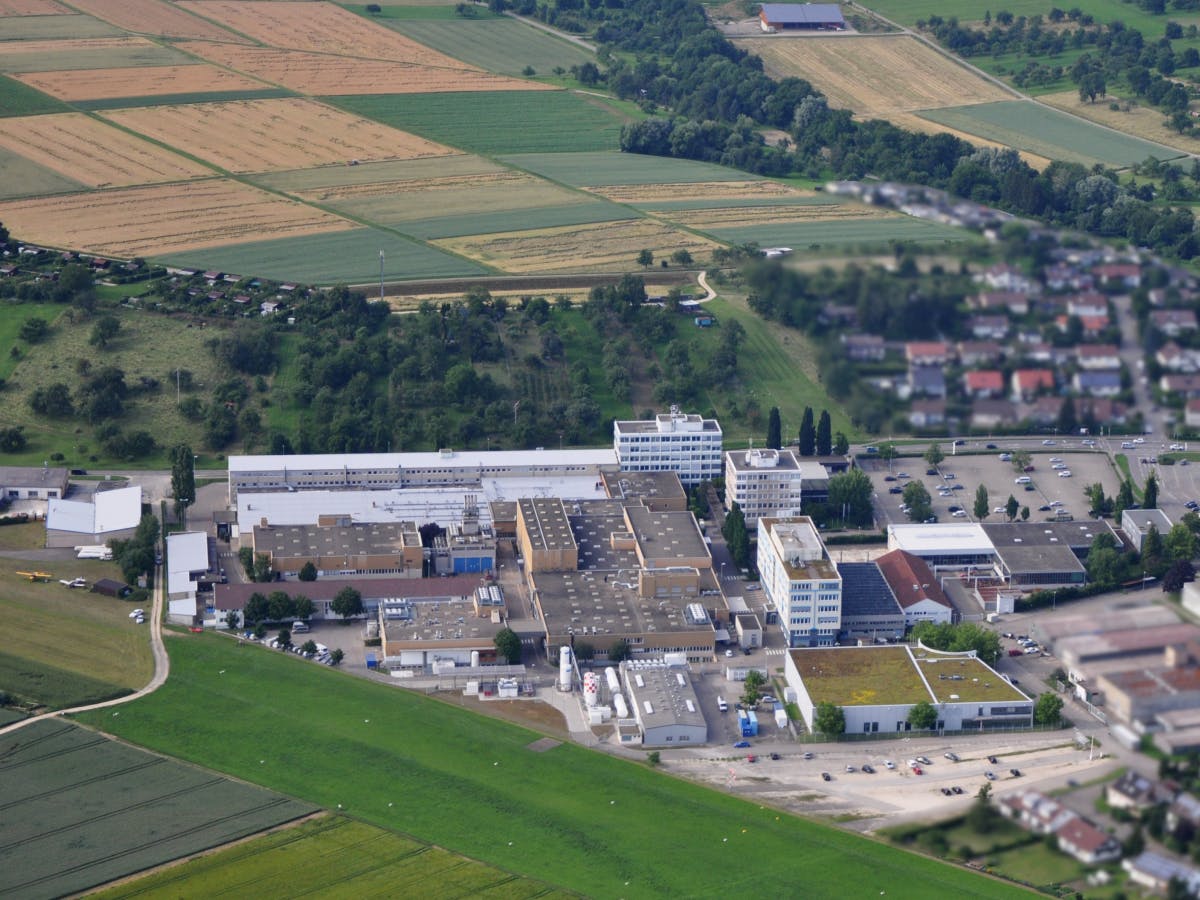
Headquarters. Fuel cell system and stack development, testing facilities and public relations to the hydrogen world.
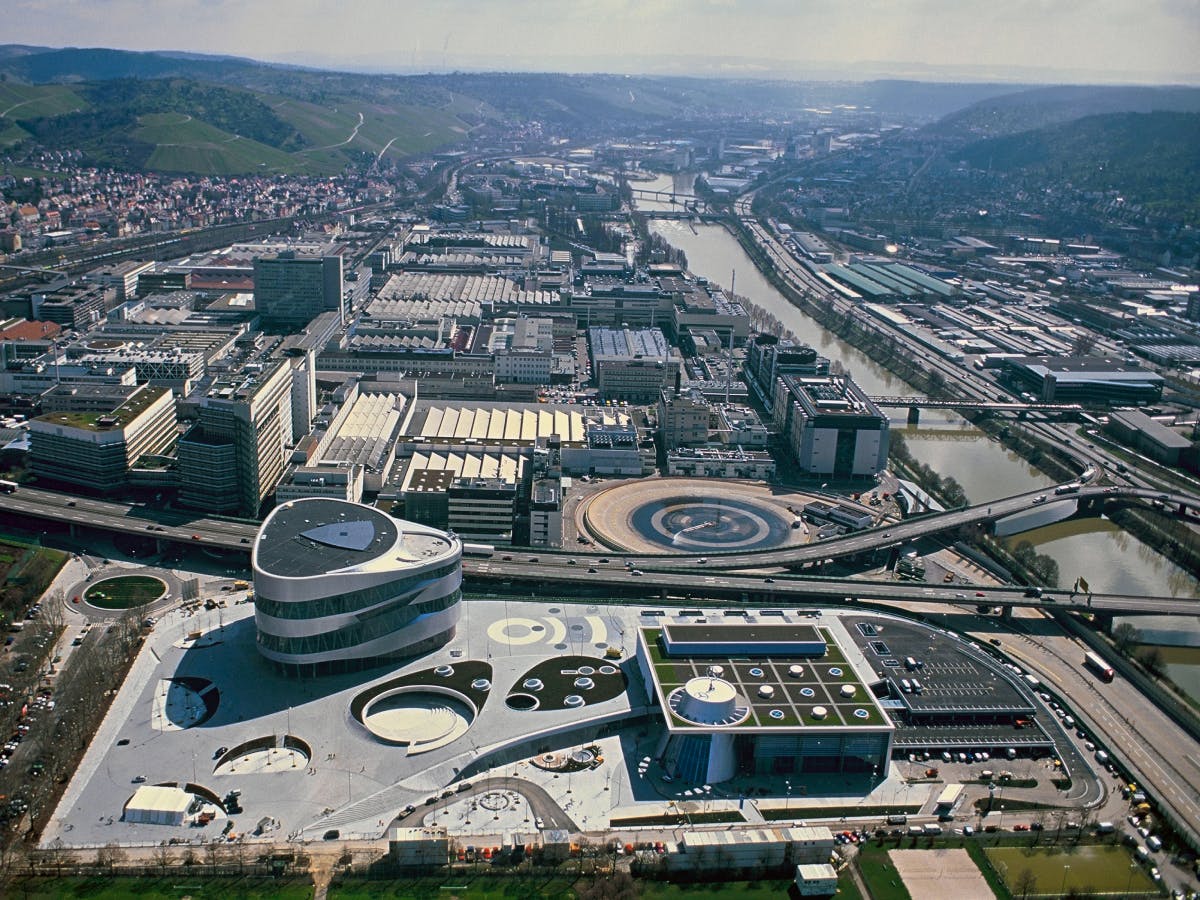
Series manufacturing process development and testing strategy. CCM coating development and production.
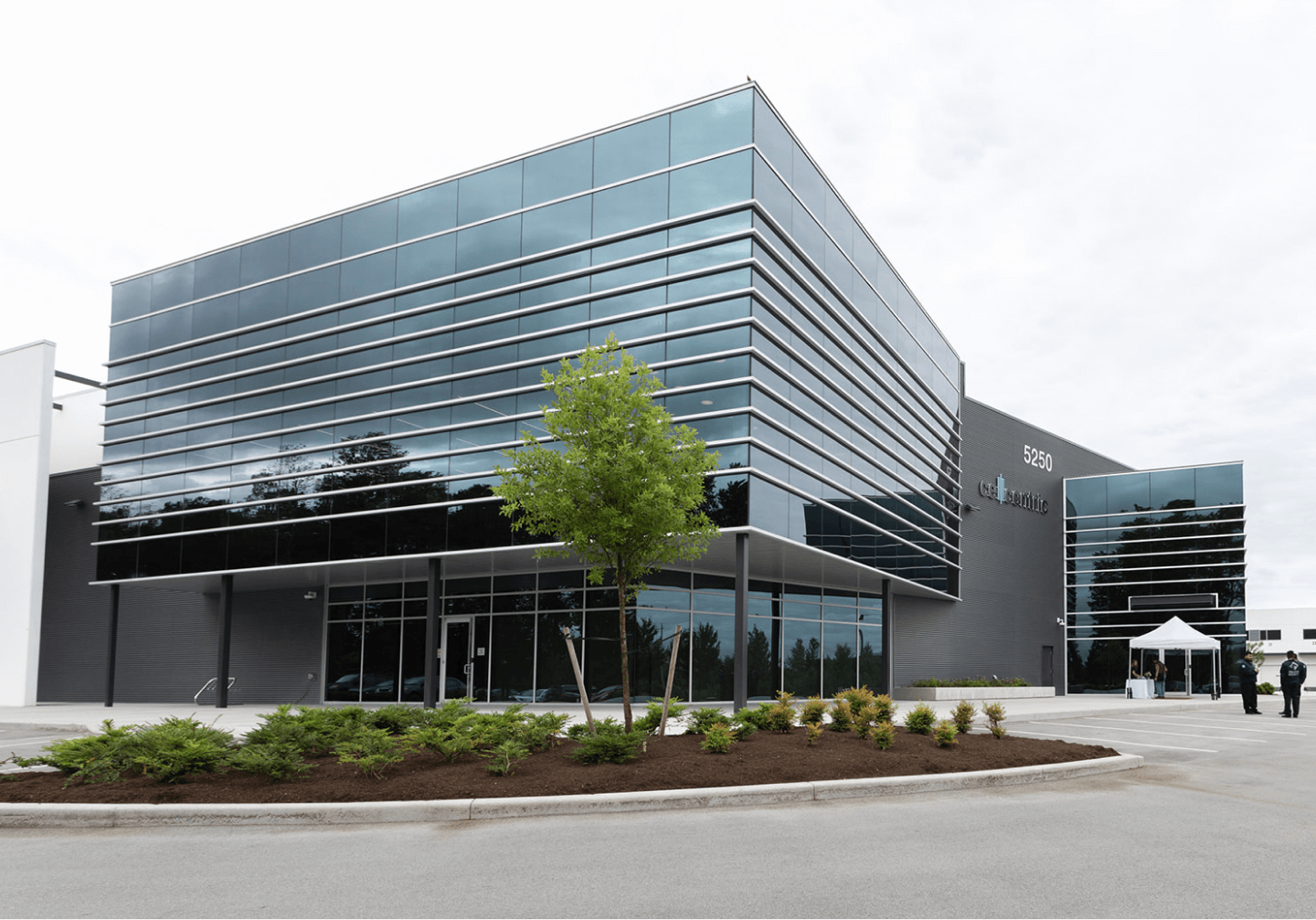
Advanced engineering for fuel cell stacks and production process development, primarily for the fuel cell stack.
We plan to launch large-scale series production at our KLIMA|WERK site in the greater Stuttgart region around 2030. This timeline directly supports commercial vehicle manufacturers in meeting tightening EU CO₂ legislation targets for heavy-duty vehicles.
Our Esslingen facility houses the entire fuel cell production chain under one roof. We produce catalyst-coated membranes (CCMs), manufacture fuel cell components and assemble both our current BZA150 and next-generation BZA375.
Yes. We leverage more than 30 years of fuel cell research from our parent companies to build manufacturing environments that meet strict automotive quality, safety and reliability standards. State-of-the-art automation and a high degree of vertical integration ensure consistent quality at every stage of the production chain.
By concentrating on a single product and scaling one optimized production chain rather than multiple variants, we maximize economies of scale. The future KLIMA|WERK site is designed to deliver the volumes required to bring fuel cell system costs to a level that enables competitive TCO for fleet operators across all heavy-duty applications.
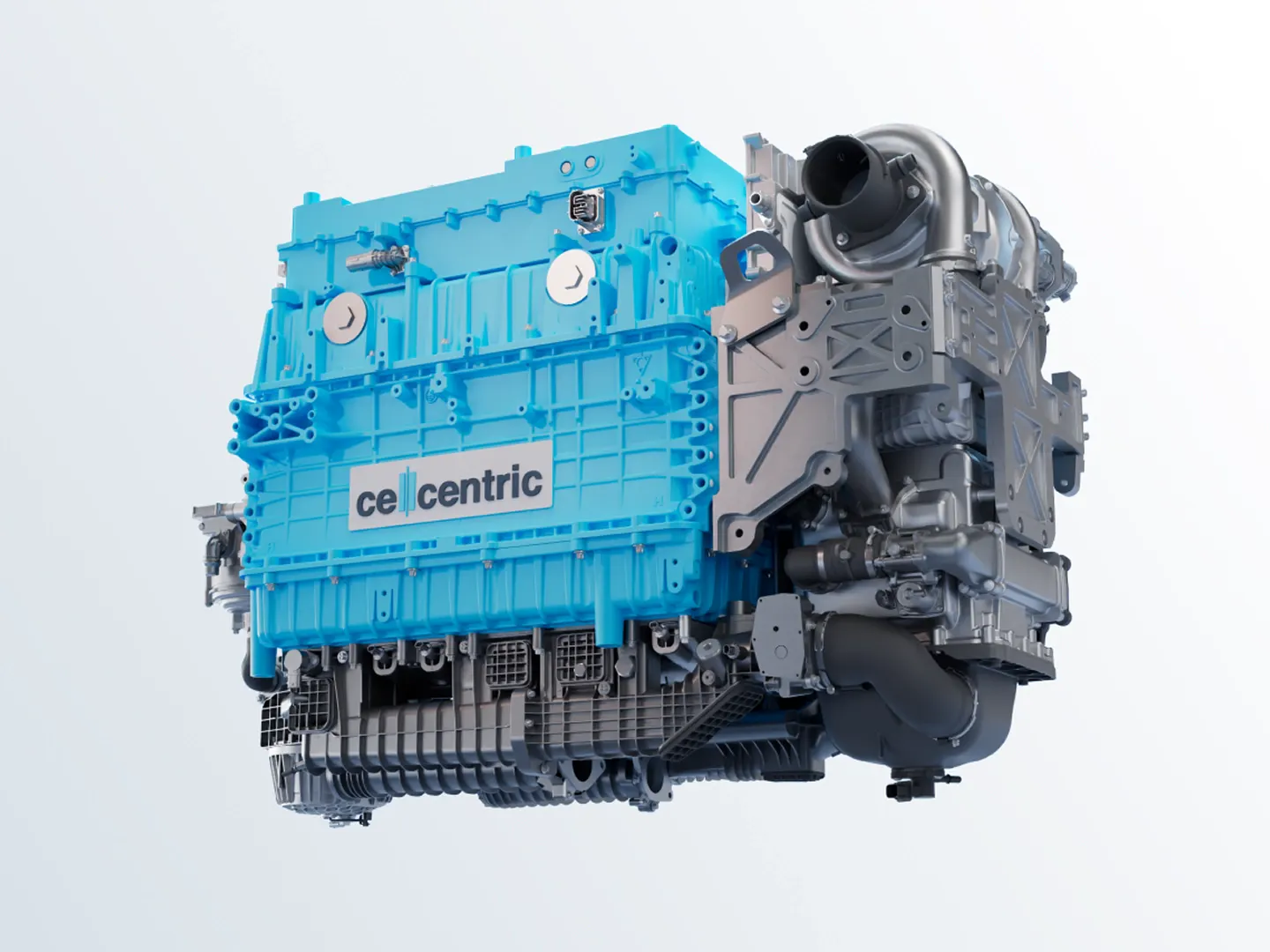
Full technical specifications, dimensions, TCO data and FAQ for our next-generation heavy-duty fuel cell system.
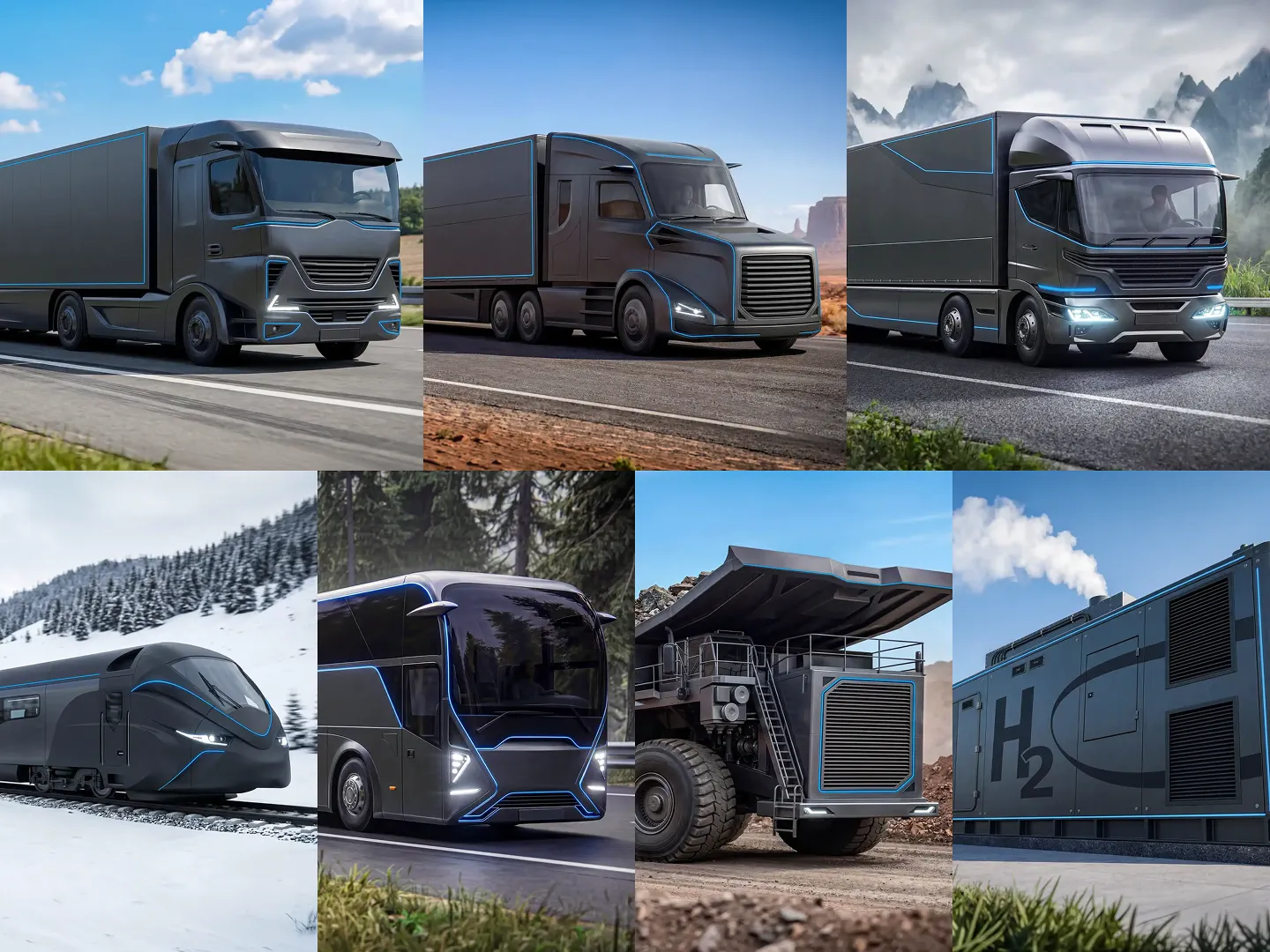
Designed for long-haul trucks, and well-suited for coaches, stationary power generation, rail and mining. One product, multiple applications.
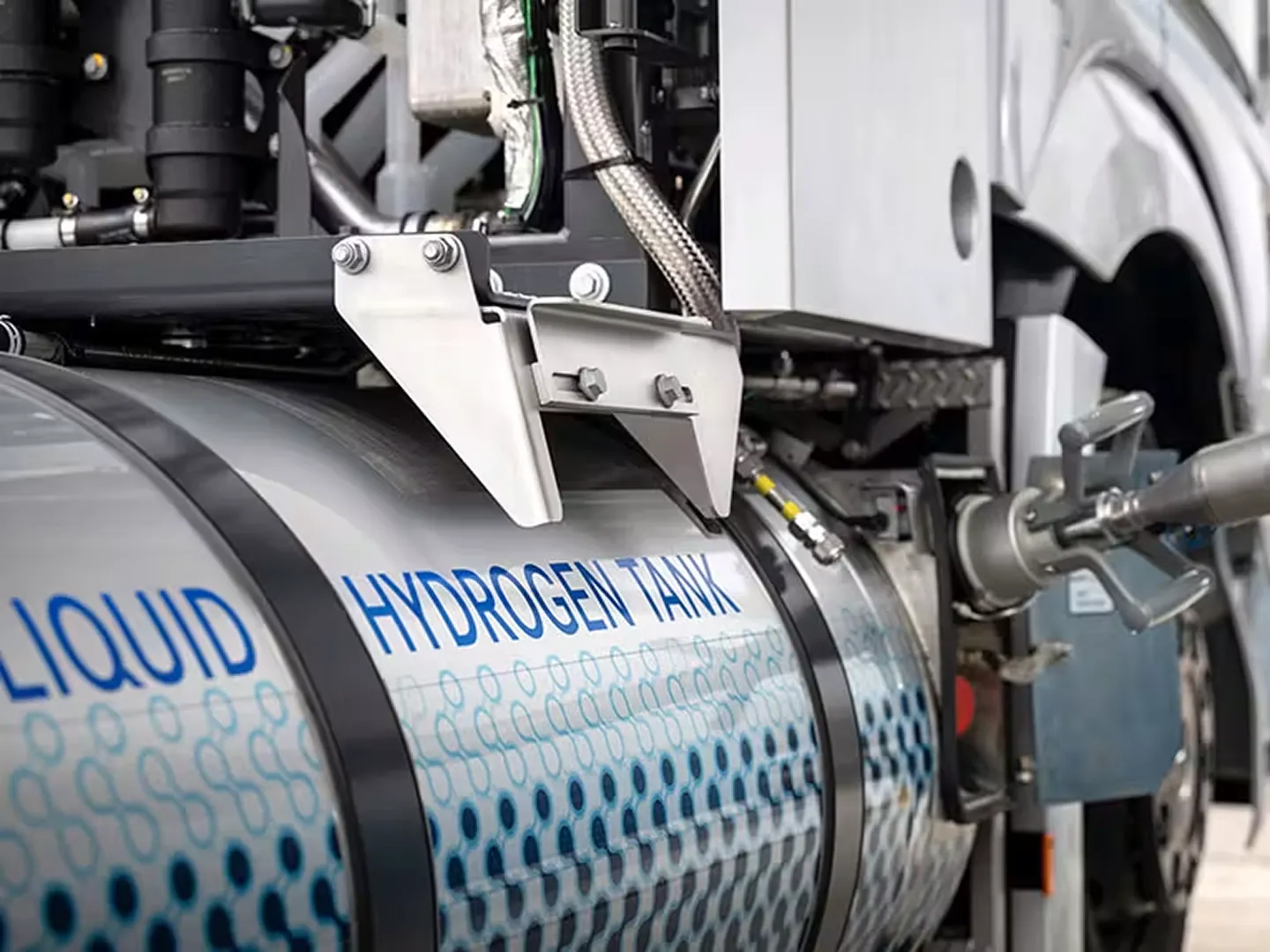
Efficient fuel cell systems need a functioning hydrogen ecosystem to reach their full potential. See how cellcentric contributes to building it.

We are happy to help with general enquiries about cellcentric, our technology and our work.