One efficient system for multiple use-cases
Our focus is on further improving our fuel cell systems to deliver the best efficiency and performance in heavy-duty trucks. The promising results, high efficiency and reliable power also make them compelling for a wide range of additional heavy-duty applications.
Built for the most demanding conditions in heavy-duty transport
For long-haul trucks and other heavy-duty applications, BZA375 provides strong TCO arguments that make decarbonization not only technically viable, but also commercially viable for operators of trucks, coaches, stationary power generation equipment, rail vehicles and heavy mining equipment. Its optimized fuel efficiency reduces operating costs while increasing driving range and operating time on the same amount of fuel, giving operators greater flexibility in the use of their assets.
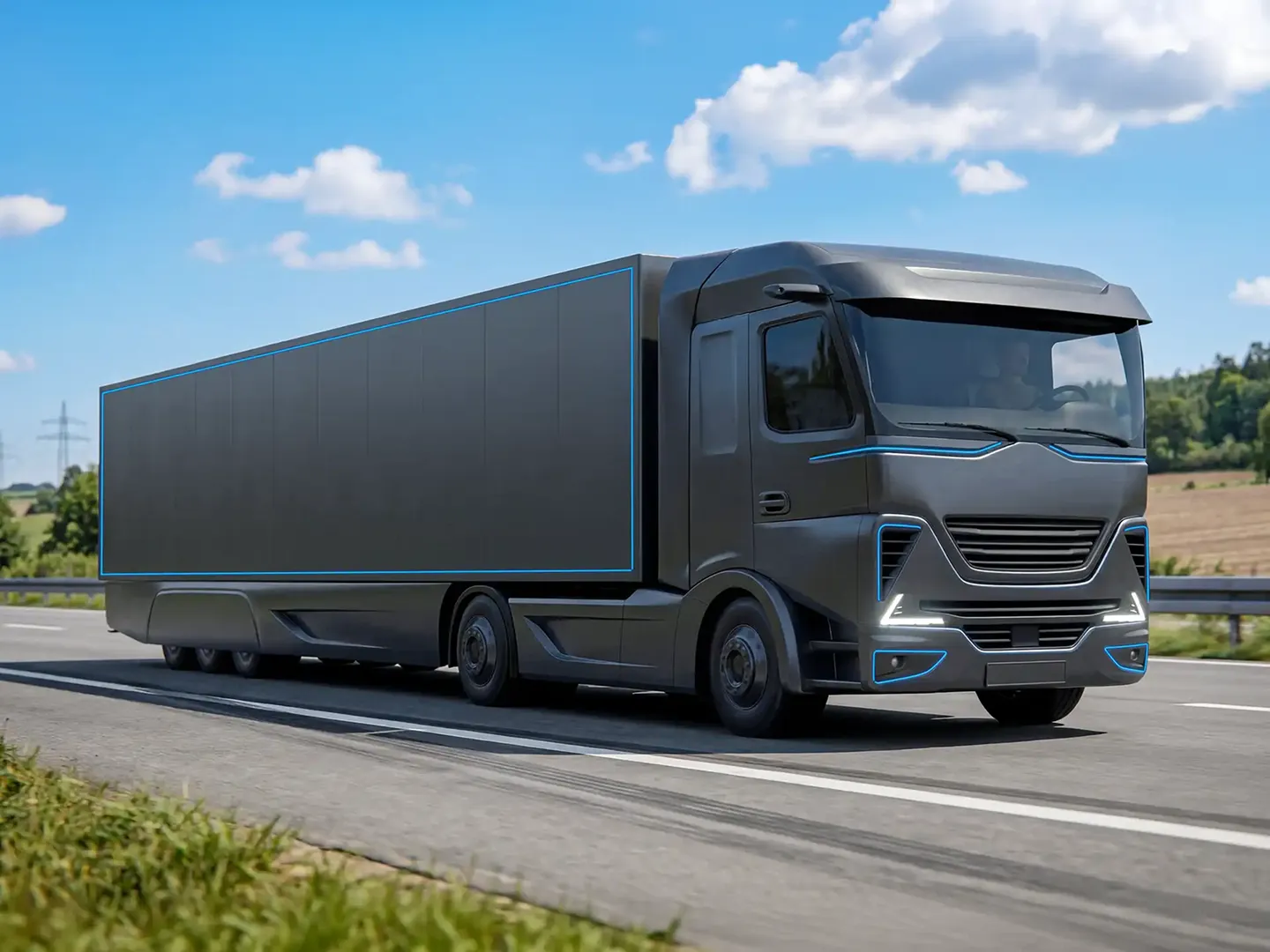
Heavy-duty long-haul trucks
Long-haul trucking is where fuel-cell technology proves its full strength. Vehicle operators require long range, maximum flexibility and minimal downtime – all under strict cost pressure. BZA375 is engineered exactly for this reality. With BZA375, the expected fuel consumption in a fully loaded, 40-ton truck under real-world driving conditions is less than 6 kg hydrogen per 100 kilometers. This enables proven ranges beyond 1,000 kilometers, refueling times comparable to diesel and a durable 25,000-hour lifetime. Combined with significantly improved fuel efficiency, it delivers a compelling TCO case for the most demanding transport missions.
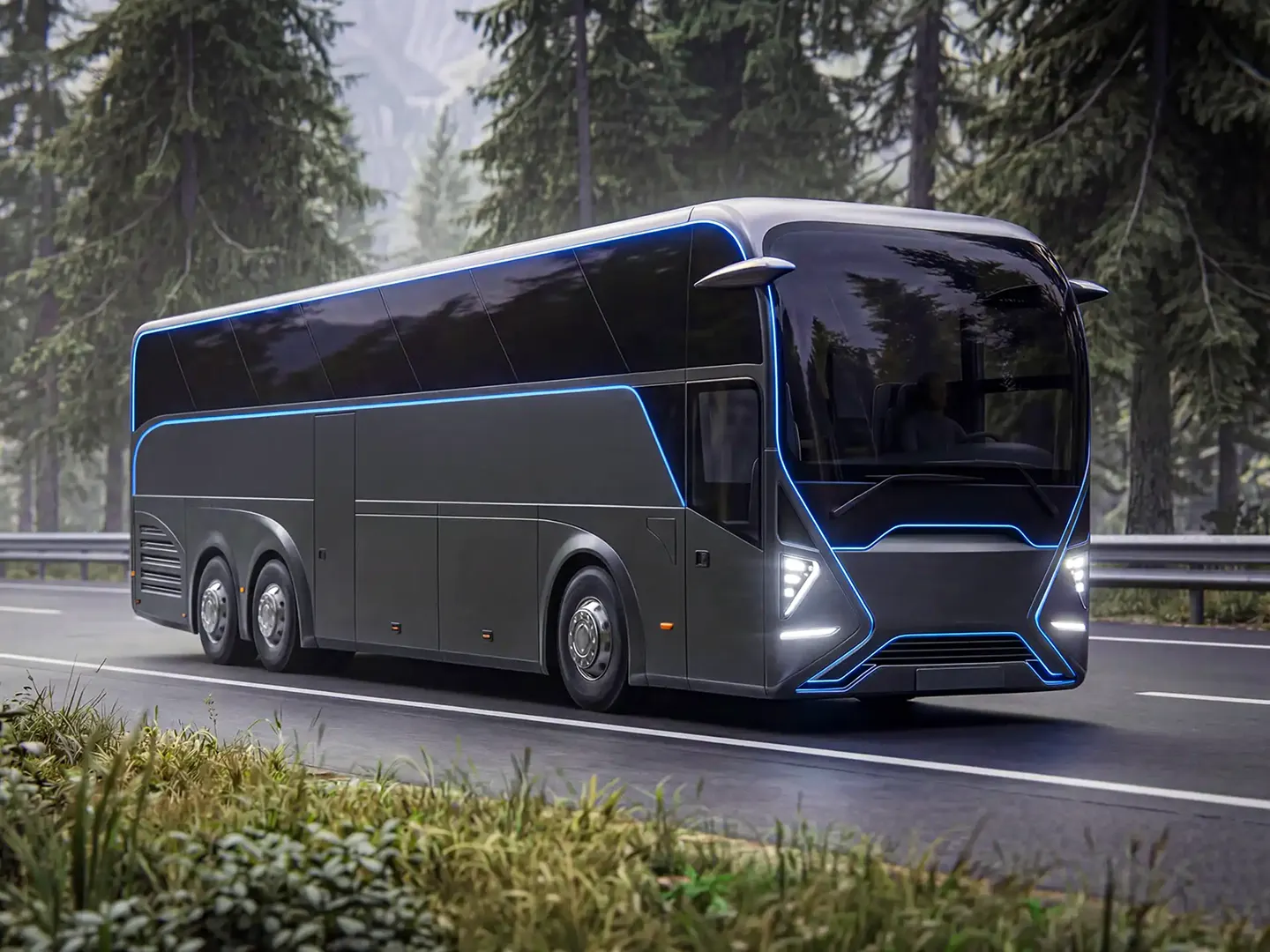
Coaches
Through its predecessor organizations, cellcentric has decades of experience with bus applications. The first fuel-cell-powered bus, “Nebus”, was built as early as 1997. In subsequent projects, fuel-cell coaches have demonstrated their maturity in real-world operation, with individual vehicles having traveled over one million kilometers while carrying passengers.
For long-distance coach travel, fuel cells unlock zero-emission mobility without compromise. High passenger capacity, long routes, and tight schedules require a drivetrain that combines range, comfort, and fast refueling. BZA375 enables exactly that, offering quiet operation, no payload limitations and diesel-like operational flexibility, making it a strong fit for premium long-distance travel.
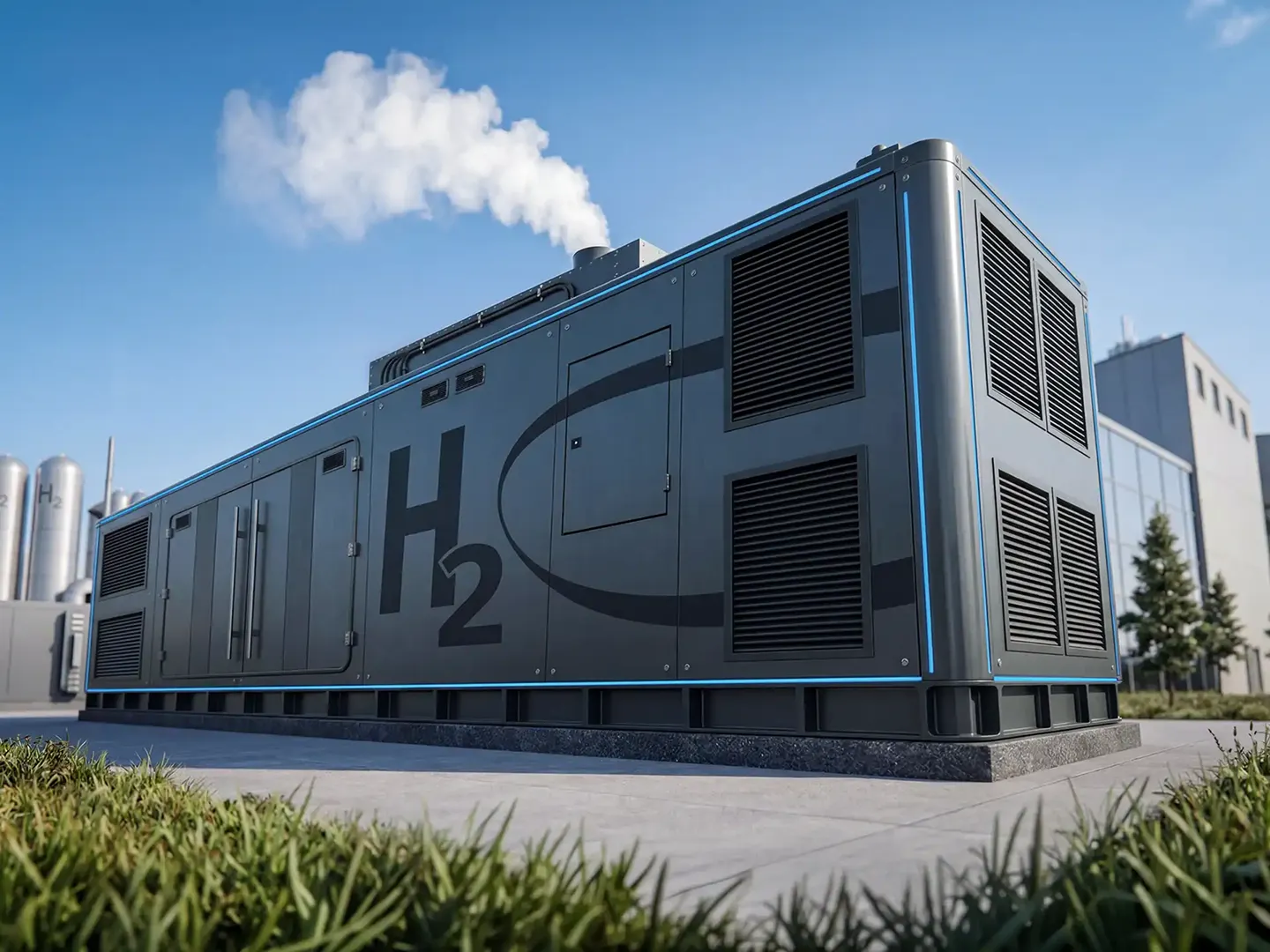
Stationary power generation
Stationary fuel cells are an additional compelling use case for BZA375. While automotive-grade fuel cells are admittedly highly specified, the envisioned economies of scale and correspondingly attractive prices still make cellcentric’s systems a very attractive proposition for this market. For operators of stationary fuel cells such as data centers and industrial facilities, they offer at least the same advantages as conventional systems.
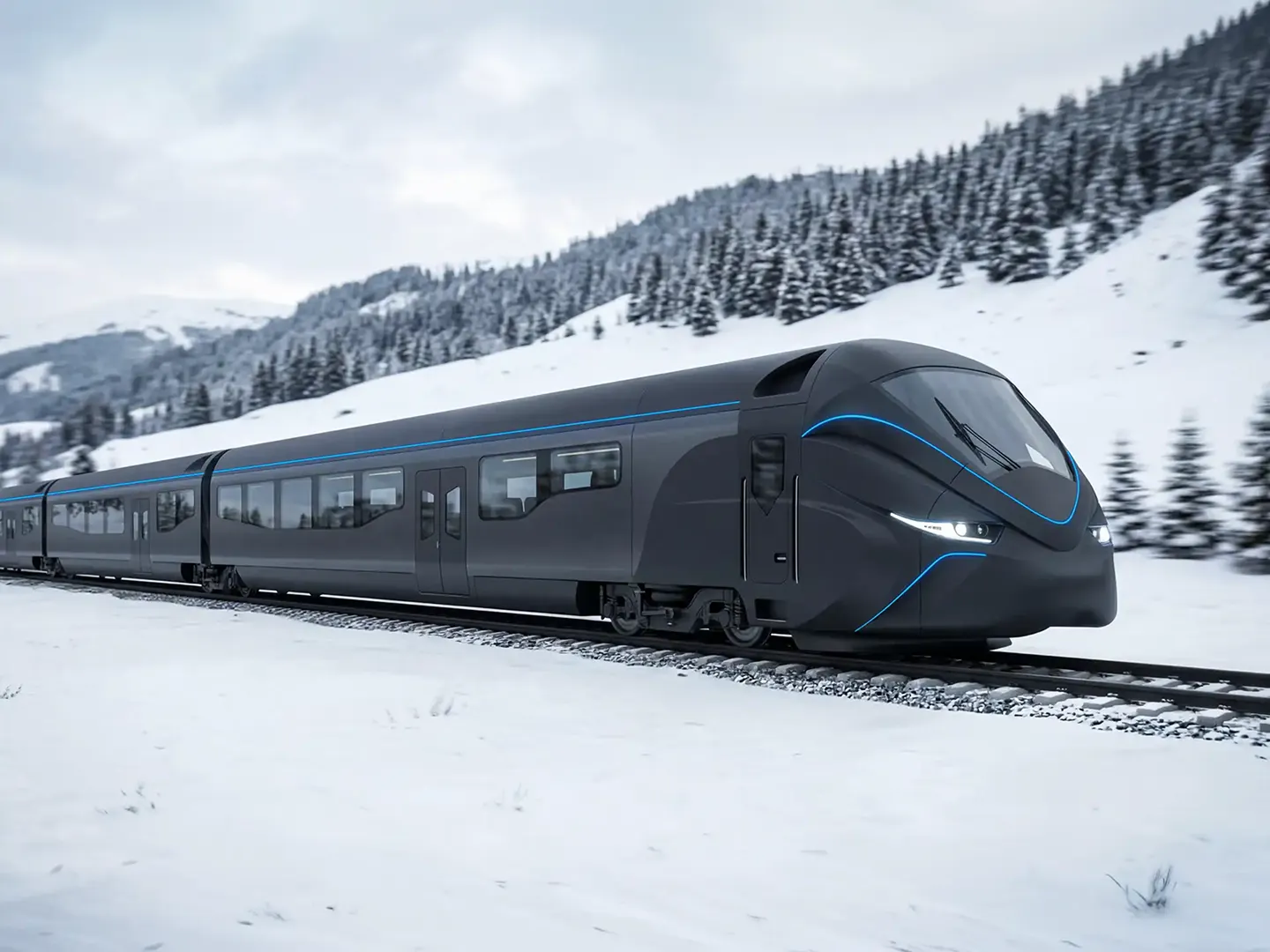
Rail
In regional and interregional rail-based transport, there is a great need to decarbonize drive units. Not all routes can commercially or technically be equipped with overhead line systems, while battery-electric trains reach their limitations on longer topographically demanding routes or when operating for long periods each day. Fuel cell systems complement existing electrification solutions where overhead line infrastructure or purely battery-electric operation reach their limits: high performance, the ability to combine multiple fuel cell systems into a powerful power unit, efficient hydrogen consumption, short refueling times, and long ranges depending on the sizing of the hydrogen tank on the rail vehicle.
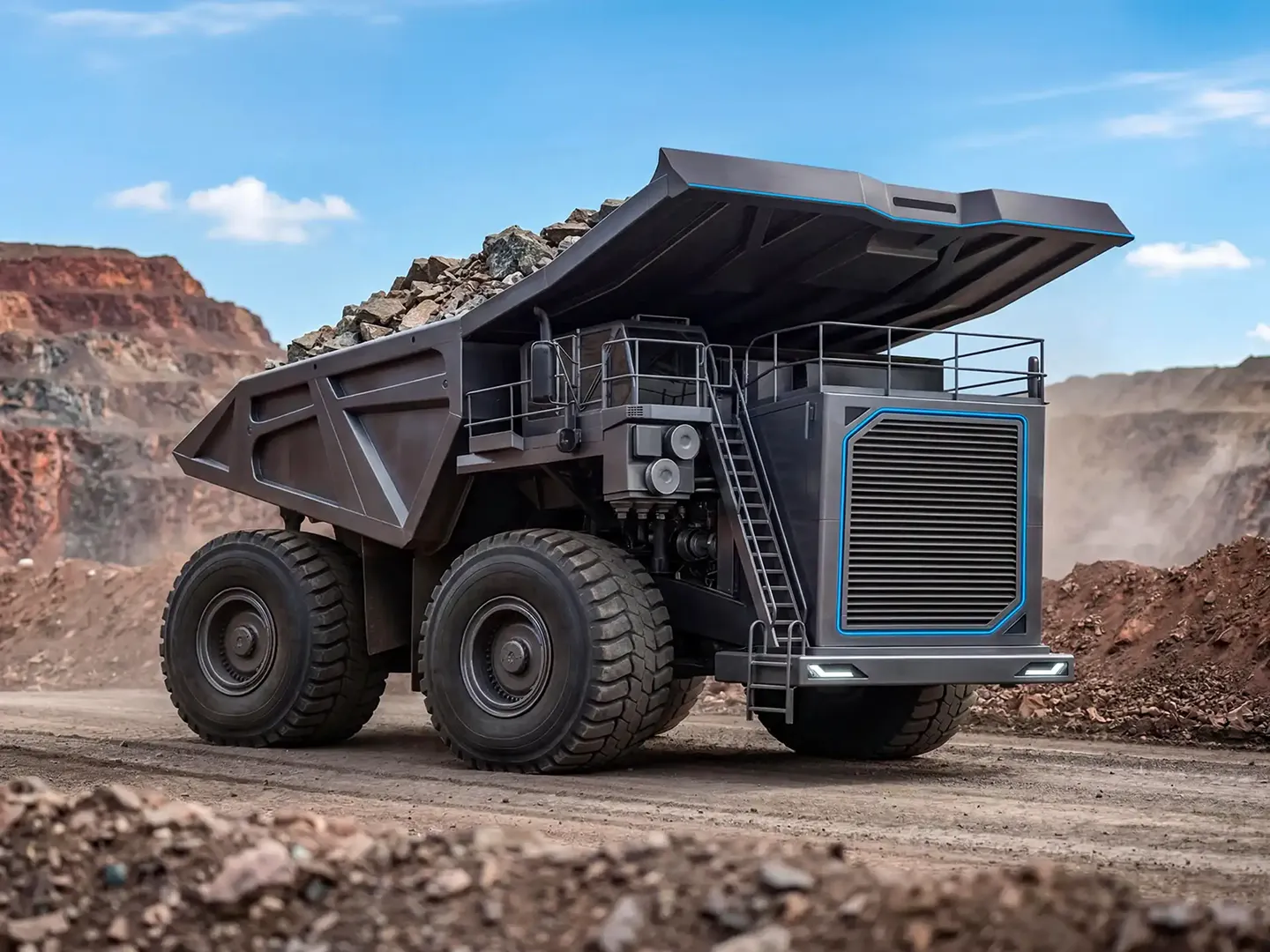
Mining
Mining vehicles and machines operate continuously – often in multiple-shift, 24/7 operations – requiring high reliability and minimum downtime for refueling. As in many on-road trucking applications, payload equals profit for the operator: the fact that fuel cell electric vehicles have a comparable vehicle weight to diesel trucks is therefore very valuable. Mines are often far from habitation, meaning they seldom have high-capacity connections to the electrical grid. Many mining companies want to contribute to ESG targets and recognize that with the long investment timelines involved, they need to start early for regulations of the future. Safety, reliability, service, and support over many years are essential, and that is what a well-established fuel cell supplier can deliver.
Key advantages across all applications
25,000 h
Very low maintenance requirements across a lifecycle of 25,000 operating hours, equivalent to approximately 1.25 million kilometers, analogous to proven diesel engine lifecycles.
<500 kg
Approximately one third of the weight of a conventional 13-litre diesel engine, keeping the empty vehicle weight equal to diesel while allowing greater payload capacity.
Zero
The fuel cell system emits only water vapor and heat during operation. No pollutants or greenhouse gases, across all application types.
Explore further
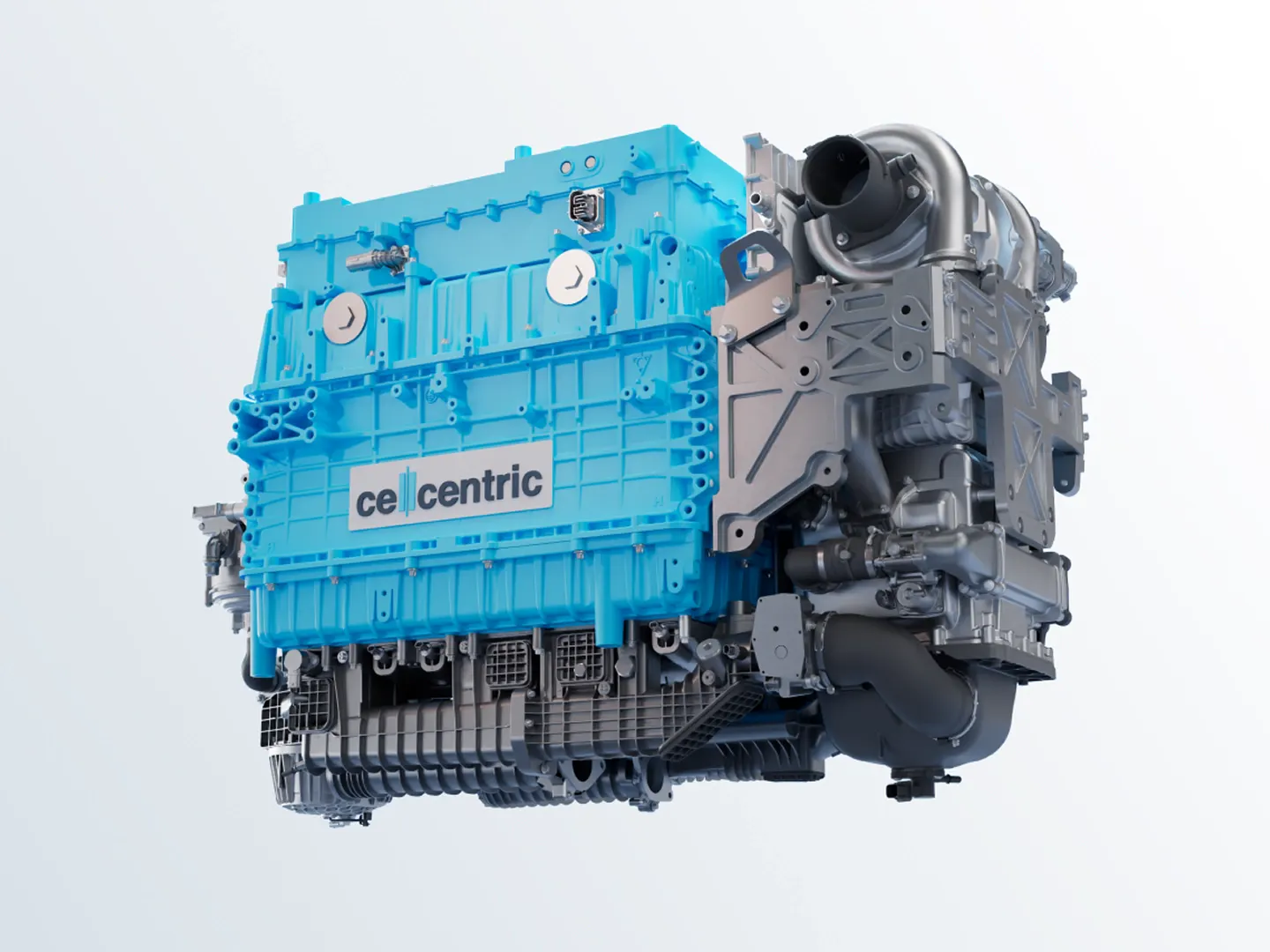
BZA375
Full technical specifications, dimensions, TCO data and FAQ for our next-generation heavy-duty fuel cell system.
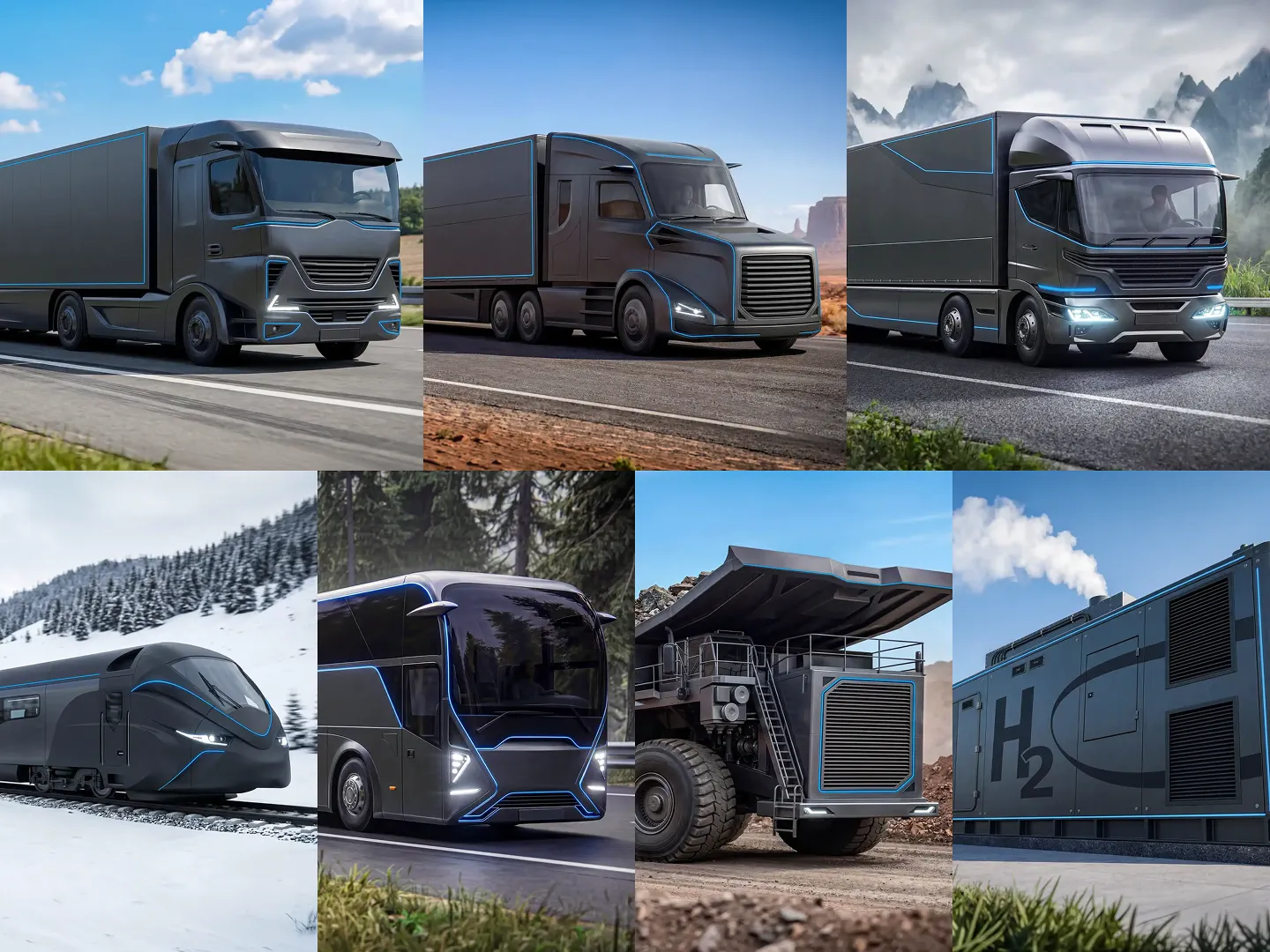
Built for heavy-duty
Designed for long-haul trucks, and well-suited for coaches, stationary power generation, rail and mining. One product, multiple applications.
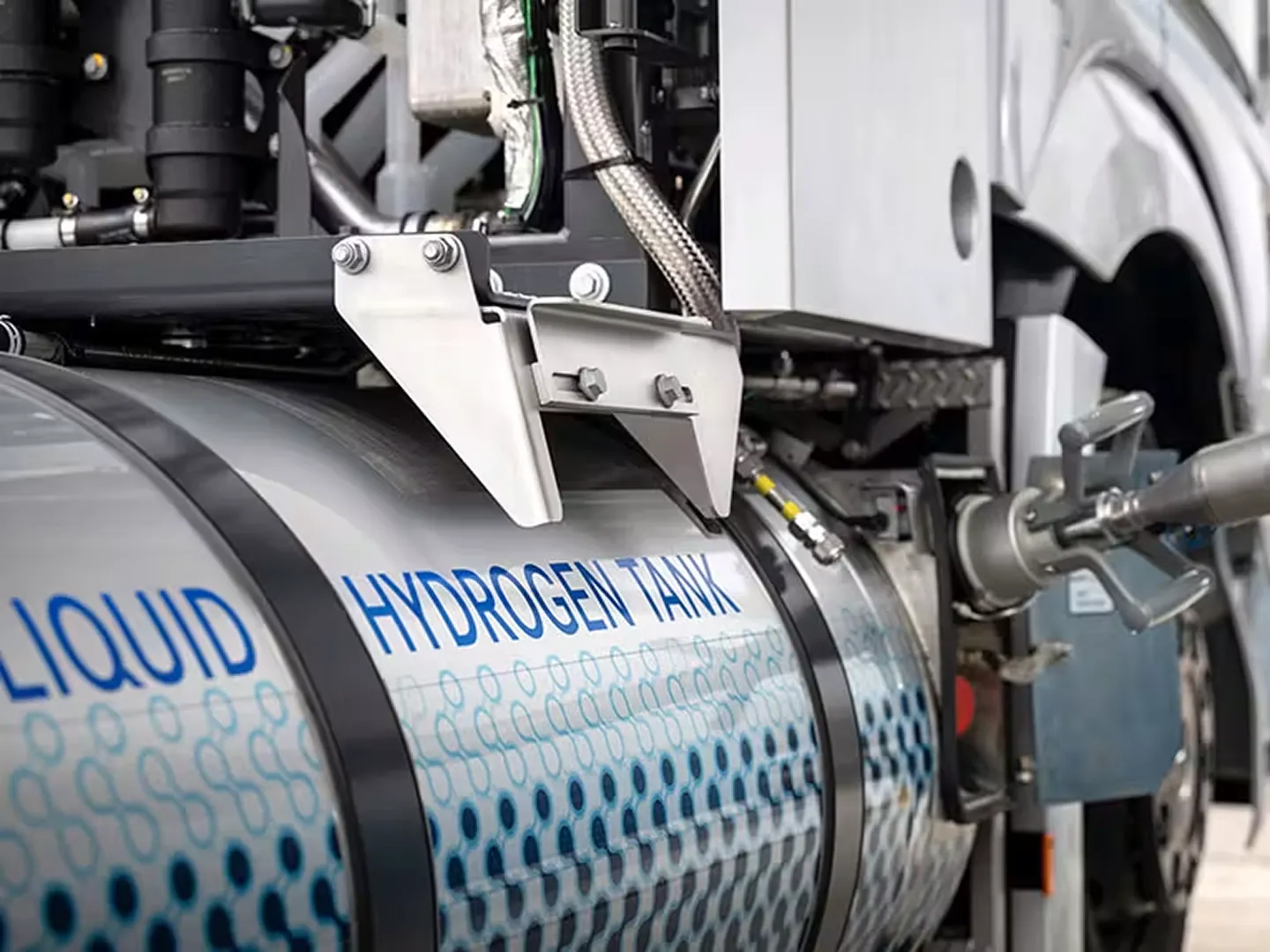
The infrastructure behind it
Efficient fuel cell systems need a functioning hydrogen ecosystem to reach their full potential. See how cellcentric contributes to building it.

Ready to discuss your application?
We support OEMs and operators across all heavy-duty sectors in making the transition to hydrogen powertrain technology, from first enquiry to series integration.